Subtotal: $4,171.90
Subtotal: $4,171.90
The global chemical market is a vast and essential industry, supplying the fundamental building blocks for countless products and processes. Whether you are a manufacturer, research scientist, or involved in industrial operations, understanding the distinction between organic and inorganic chemicals is crucial for sourcing the right materials for your needs.
Organic chemicals are characterized by carbon-based molecules, typically bonded with hydrogen, oxygen, nitrogen, and other elements. This versatile carbon backbone allows for the complex structures found in living organisms and a multitude of synthetic materials. Common examples for sale include solvents like acetone and ethanol, raw materials like benzene and vinyl chloride for plastics, and complex pharmaceuticals and agrochemicals.
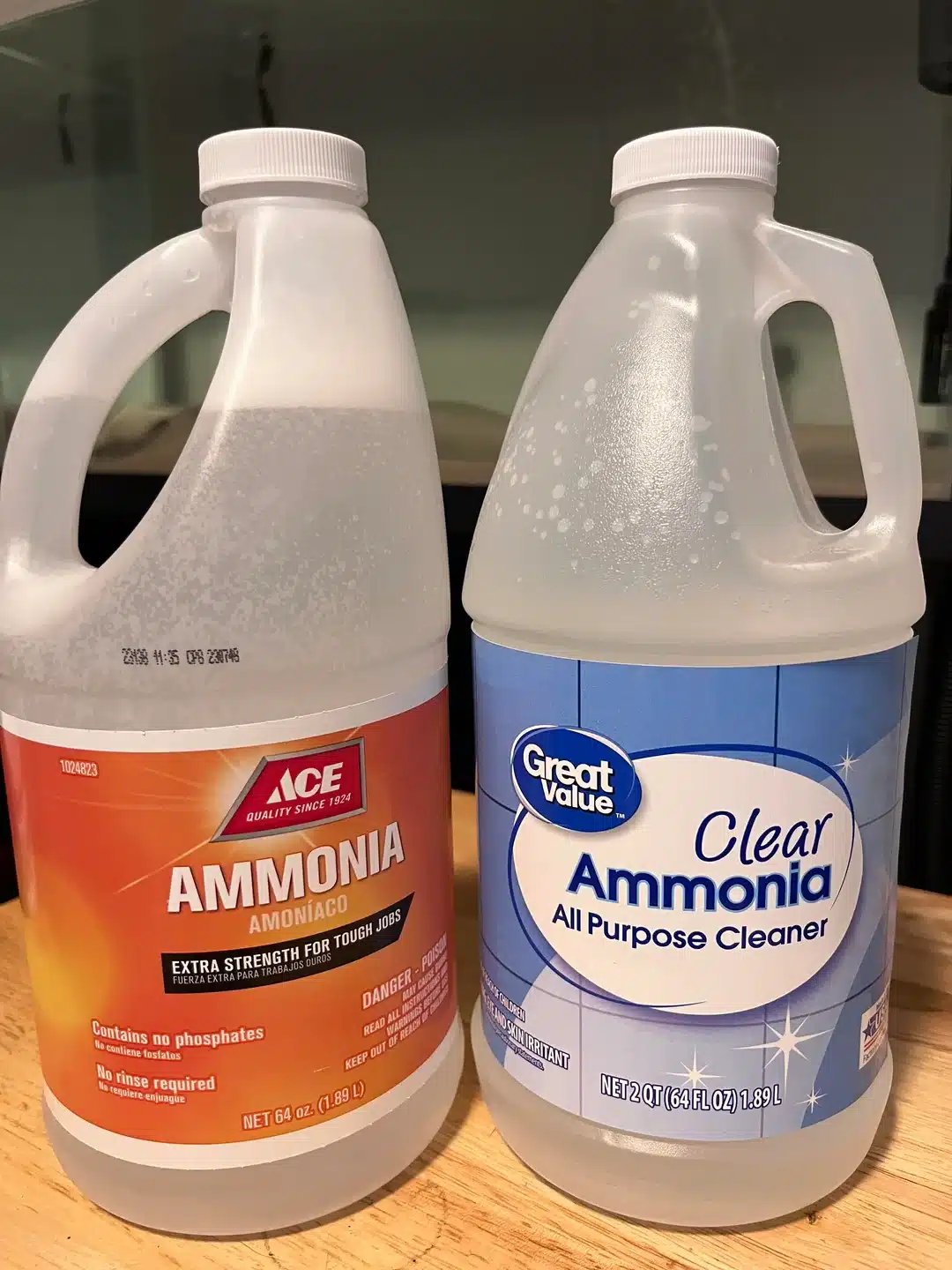
Conversely, inorganic chemicals are generally defined by the absence of carbon-hydrogen bonds. They encompass minerals, metals, salts, and compounds derived from non-biological sources. This category includes staples like sulfuric acid, ammonia, sodium hydroxide (caustic soda), titanium dioxide (a pigment), and industrial gases like nitrogen and oxygen.
Critical Considerations for Purchase
Regardless of type, several key factors must govern your purchasing decision:
Purity and Grade: Specify the exact grade required (e.g., reagent ACS, industrial, agricultural, food, or electronic). Impurities can derail a sensitive synthesis or contaminate an entire production line.
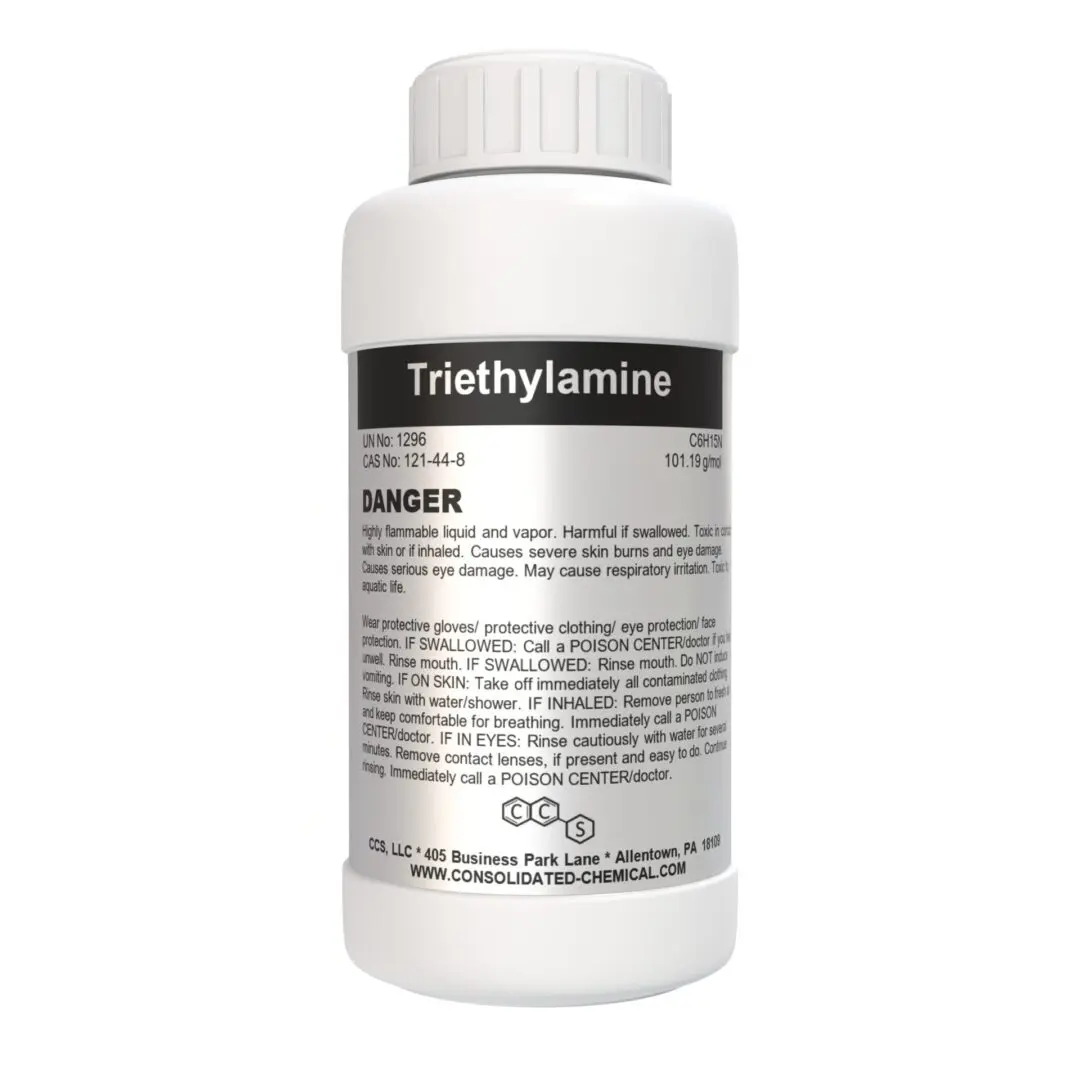
Regulatory and Safety Compliance: Chemicals are heavily regulated. Ensure your supplier provides accurate Safety Data Sheets (SDS) and that the compounds meet all relevant regional regulations (REACH, TSCA, etc.). Proper classification, packaging, and labeling for hazardous materials (flammable, corrosive, toxic) are non-negotiable.
Supplier Reliability: Choose established suppliers with proven track records in quality assurance, reliable logistics, and technical support. For specialized needs, a supplier’s ability to provide batch-specific certificates of analysis is essential.
Logistics and Handling: Given the hazardous nature of many chemicals, verify the supplier has expertise in secure, compliant transportation and storage solutions.